
CNC Machining Cost Savings from India
A detailed, honest comparison of CNC machined part costs from India vs the USA, Europe and China — with real numbers, hidden cost breakdown, and a guide to getting 40–70% savings safely.

The Economics of Global Sourcing
When a US or European buyer sources precision CNC parts domestically, they are not just paying for the machine time and material — they are paying for the fully-loaded labour cost of a skilled machinist in San Jose or Stuttgart, premium facility overhead, liability insurance, and a domestic profit margin. All of these are baked into the per-part price even when the actual cutting time is only a few minutes.
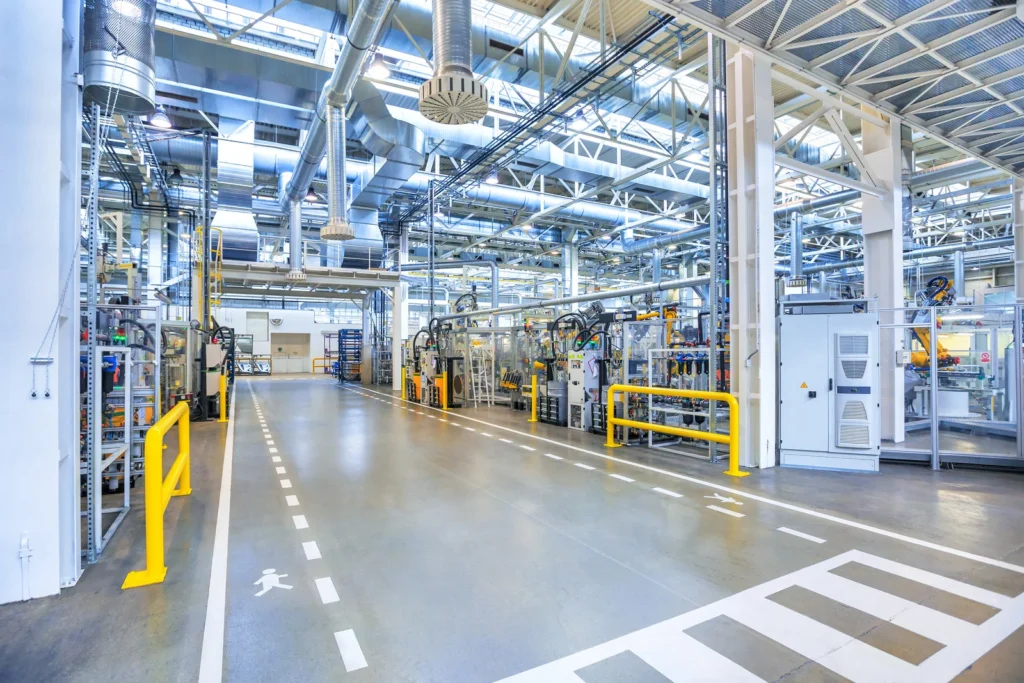
By contrast, our Pune facility has comparable CNC equipment (Haas, Mazak, DMG Mori) but operates in an environment where engineering talent is abundant, trained to global standards, and compensated at a fraction of Western rates. The machines do the same work. The difference is purely economic.
Why is CNC Machining Cheaper in India?
The cost of a CNC machined part is driven by three factors: machine time, labour and material. Machine time costs are similar globally for equivalent equipment. Material costs are within 10–20% globally for standard alloys. The big difference is labour.
Labour Cost
CNC machinists in India earn USD 4–12/hr vs USD 25–55/hr in the USA. This directly reduces your part cost by 30–50%.
Overhead
Factory rent, utilities and regulatory compliance costs in India are 40–60% lower than equivalent facilities in the US or Germany.
Material Sourcing
India's growing domestic aluminium and steel production, combined with competitive imports, keeps raw material costs 5–15% below US levels for common alloys.
Cost Comparison: India vs USA vs EU vs China
Indicative cost for a typical aluminium 6061 bracket (50×50×20 mm, 3-axis milling, ±0.05 mm tolerance, bead blast finish), quantity 10 pieces:
Note: Estimates based on typical shop rates June 2026. Actual prices vary by part complexity, material and volume.
Detailed Cost Comparison by Material
Indicative machining cost per part (excluding shipping), quantity 10 pieces:
| Part Type | Material | India (Survi) | China | USA | Germany | India Saving vs USA |
|---|---|---|---|---|---|---|
| Simple bracket (50×50mm, 3-axis) | Al 6061 | $18–22 | $20–28 | $75–120 | $65–90 | ~70% |
| Turned shaft (Ø20mm × 80mm) | SS 303 | $25–35 | $28–40 | $90–140 | $80–120 | ~70% |
| Complex housing (5-axis, 100mm) | Al 7075 | $80–120 | $90–140 | $280–420 | $260–380 | ~70% |
| Titanium bracket (±0.025 mm) | Ti-6Al-4V | $180–260 | $200–300 | $600–900 | $550–800 | ~70% |
| Sheet metal enclosure (laser + bend) | Steel 1.5 mm | $45–65 | $50–75 | $160–240 | $140–200 | ~70% |
| Plastic housing (PEEK, 5-axis) | PEEK | $120–180 | $130–200 | $380–560 | $360–520 | ~68% |
Real Savings in Real Numbers
The numbers above are based on real quotes from our existing customer base. A typical aluminium 6061 bracket — 5 machined faces, 8 tapped holes, 2 precision bores — quotes at $180–$220 from a US job shop and $55–$75 from Survi, delivered DDP to the US including international freight and import duty. That's a consistent 60–70% saving on landed cost.
Stainless and titanium parts show even larger absolute savings because the higher domestic labour rates amplify every additional hour of machining time. A titanium aerospace bracket that costs $800 domestically lands at $280–$320 from Survi — after all shipping, duty and quality documentation costs are factored in.

India vs China: The Honest Comparison
🇮🇳 India (Survi Engineering)
- English as business language
- No US tariff exposure
- Strong IP protection
- ISO 9001 QMS
- Fast aerospace/medical cert
- Direct manufacturer (you)
- Fewer mega-suppliers than China
- Lead times 7–14 days
🇨🇳 China (Typical)
- Largest supplier base
- Fast for high-volume
- Many finishing options
- US tariffs 25–145%
- IP risk — well documented
- Language barriers
- Supply chain geopolitics
- Quality varies widely
The Hidden Costs of Offshore Sourcing
Gross savings are 70%. Net savings, after all additional costs, are typically 40–55%. Here's what to account for:
| Cost Category | Typical Impact | Notes |
|---|---|---|
| International shipping | $30–80 per shipment | DHL/FedEx express; amortize across order value |
| Import duties (USA) | 0–6% on part value | Most machined metal parts: ~3% duty |
| Customs broker fee | $30–80 per shipment | Optional — many buyers self-clear small shipments |
| Safety stock | +10–20% inventory | Longer lead time = more buffer stock |
| Engineering review | 1–2 hrs first order | DFM review, tolerance check — once per design |
| Rework allowance | ~2% of orders | Our target; most orders ship correct first time |
| Total additional cost | ~15–20% of part cost | Net saving: 50–55% vs USA |
Risk Mitigation — How to Source Safely
Sign an NDA Before Sending Files
We routinely sign mutual NDAs for customers with sensitive designs. This costs nothing and takes 24 hours. Request ours or send your own.
Start with a Prototype Order
Order 1–5 pieces first. Verify dimensions, finish and quality before committing to production. Most buyers move to production within 2 orders.
Request Inspection Reports
Always request a CMM report on the first article. At Survi, these are included for tight-tolerance parts and available on request for all others.
Plan for Longer Lead Times
International shipping adds 3–5 days. Build your safety stock and re-order points accordingly. Most customers order 2–3 weeks earlier than local sourcing.
Direct Manufacturer, Not a Broker
Survi Engineering is the manufacturer — not a trading company or reseller. You deal directly with the engineers who machine your parts, which eliminates broker markup and communication delays.
14-Day Inspection Window
Our Refund Policy gives you 14 days after delivery to inspect parts and report non-conformances. We rework or reship at no charge for verified quality issues.
When India Is the Right Choice
India-sourced CNC machining delivers the best ROI when:
- Order value exceeds USD 500 — shipping overhead is amortized; net savings are compelling
- Design is stable — not changing every order; prototyping phase is done
- Lead time is predictable — you plan 2+ weeks ahead; not on-demand same-week delivery
- You ship to the USA — China tariffs make Indian parts 25–145% more competitive on landed cost
- IP protection matters — India has stronger enforcement than China for most industries
- Quality documentation is required — aerospace, medical, and defense parts with certifications
See How Much You Can Save
Upload your design and get a quote from Survi Engineering today. Most customers save 50–65% on landed cost versus their current US or European supplier — with the same quality documentation.
Frequently Asked Questions
Common questions from buyers evaluating CNC machining from India — real numbers on savings, the tariff advantage over China, hidden costs, and how to start with a safe pilot order.
How much cheaper is CNC machining in India compared to the USA?
CNC machining in India is typically 50–70% cheaper than the USA for equivalent parts in aluminium or stainless steel. A part that costs $200 in the US can cost $60–80 from Survi Engineering including international shipping. The savings come from lower engineering labour rates — Indian CNC machinists earn $4–12/hr vs $25–55/hr in the US — while using the same Haas, Mazak and DMG Mori equipment.
Is CNC machining from India better than China?
India and China are comparably priced for standard CNC machining — both 50–70% cheaper than the US. India has specific structural advantages: no US tariff exposure (China faces 25–145% tariffs), English as the business language eliminating communication delays, stronger IP protection, and increasingly competitive lead times. For aerospace and medical components with strict certification requirements, India's quality infrastructure is more mature than most Chinese alternatives.
What are the hidden costs of offshore CNC machining?
The headline saving is 70%. Net saving after all additional costs is typically 50–55%. Account for: international shipping ($30–80 per shipment, amortizes quickly on multi-piece orders), US import duty on machined metal parts (~3% for most HTS 84/85 categories), customs broker fee if used ($30–80), and additional safety stock due to longer lead times (+10–20% inventory cost). We break all of these out explicitly in our quotes so there are no surprises on landed cost.
What is the minimum order value to make India sourcing worthwhile?
As a rule of thumb, orders above USD 500 total value make clear economic sense — the per-shipment shipping cost ($40–80) is small relative to the savings. Below $500, shipping overhead eats into the saving but orders are still accepted from 1 piece. Many US buyers start with a $200–300 prototype order to qualify parts and our process, then move to production runs once satisfied.
Do US tariffs apply to CNC parts made in India?
Indian CNC machined parts face 0–6% US import duties on most categories (HTS 84, 85). This contrasts sharply with Chinese goods facing 25–145% tariffs. A Chinese-sourced aluminium part priced at $25 can cost $56+ after duty — making it no longer cheaper than India. This tariff differential is structural, not temporary, which is driving significant supply chain diversification from China to India.
What is the typical lead time for parts from India to the USA?
Manufacturing lead time is 7–18 business days depending on part complexity and quantity. International express shipping (FedEx/DHL) adds 3–5 business days to the US. Total door-to-door: 10–23 business days from order confirmation. For comparison, domestic US job shops quote 2–4 weeks for most custom parts. Plan to order 1–2 weeks earlier than you would from a local supplier to account for transit time.
How does Survi handle quality issues on international orders?
Our Refund Policy gives you 14 days from delivery to report non-conformances. We rework or reship non-conforming parts at no charge — no dispute process, no insurance claims. Every order includes a Certificate of Conformance. CMM inspection reports are included for tight-tolerance parts (±0.025 mm or tighter) and available on request for all others. We can also sign an NDA before file transfer.